Sweets are a source of comfort for many people. Eating them once or twice a day is just not enough. It’s a dangerous temptation, but as a sweets lover, I am obligated to try out cafes and confectionery stores. Especially when it comes to ‘Wagashi’ (Japanese confectionery). There hasn’t been a moment I haven’t thanked God for bringing me to Japan, for the wonderful flavors that bless my taste buds and the ability to see these beautiful pieces of art.
Having been born in America, raised in India, and presently being in Japan for a year and six months, I have been fortunate to experience the sweets that prevail in different cultures. I noticed distinctive differences in the confectionery of each culture. I hereby brag on my perspective of the sweets I have encountered in America, India and in Japan. In a nutshell, Japanese sweets are a blessing for my sweet preferences as they feel much lighter even after consuming many servings compared to the heavy and rich western and Indian sweet varieties. Furthermore, I would like to introduce the more well-known confectionery stores that I visited in the city of Ofunato, Japan!
Asian sweets are unique and rarely do I see any cultures trying to imitate these sweets. On the other hand, unlike Asian sweets I have seen wide variations of western-style confectionery available all over the world, and I have yet to try them all. Each nation comes up with their own variations of western sweets. For example, the carrot cake I get in America is not so carrot-y and the heavy cream cheese makes up most of the flavor. However, carrot cakes in India are a much healthier and tastier version with high carrot content. Plum cakes are a Christmas special in India and are rich in fruits and nuts.
Japanese adaptations of the western sweets are a total contrast to the sugary and rich western counterparts. I have noticed that western sweets made in Japan are light and less filling but are alarmingly delicious! One of the pâtisserie in Ofunato city I frequently visit, ‘Lorraine’, amazes me with their light, blindingly mouthwatering presentation and taste.
Personally, I think western sweets are comparatively heavier and are stronger and richer in flavor. Most of them are baked goods rich in dairy products with a surplus of sugar, but they are sinfully delicious. Of course there are organic ones too – low in sugar, but what are sweets without dairy and sugar?
I especially love how in western sweets there is a balance of flavors and textures with the incorporation of a blend of fruits, nuts, chocolate, vanilla, caramel and many more that I cannot think of at this moment. My personal favorite among them is chocolate. The only problem with western sweets for me is that it’s the very image of guilty temptation, heavy with its rich contents and irresistible beyond imagination. I consider them an occasional treat.
With the changing seasons in America, I remember relishing the seasonal and holiday specialties such as:
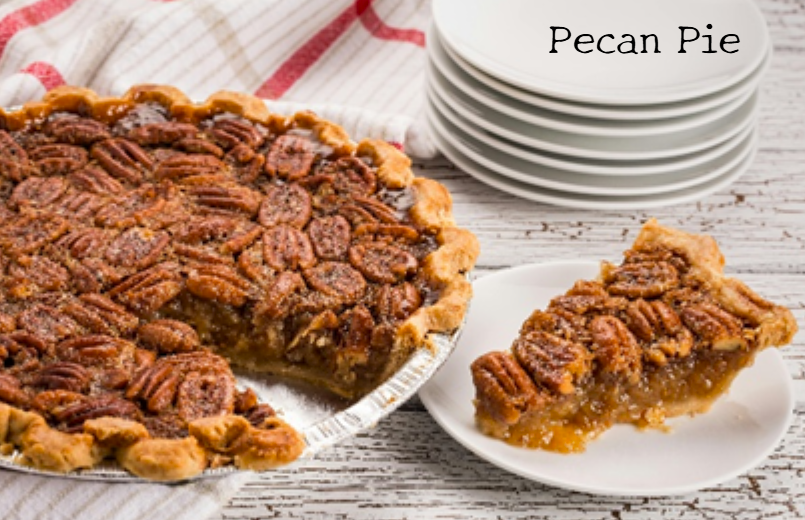
Pumpkin and pecan pies for Thanksgiving in autumn.
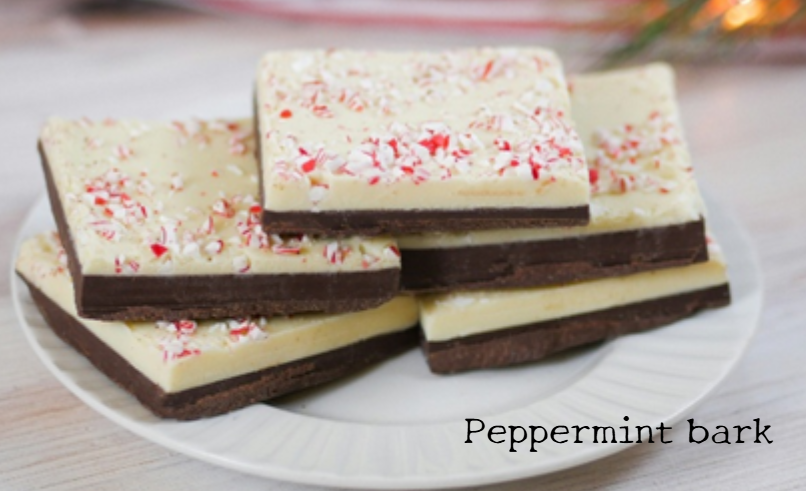
Peppermint bark, gingerbread cookies during the Christmas season.
Fruit pies & cobblers during summer. Especially apple pie, peach cobbler, blueberry and cherry pies on the fourth of July (American Independence Day).
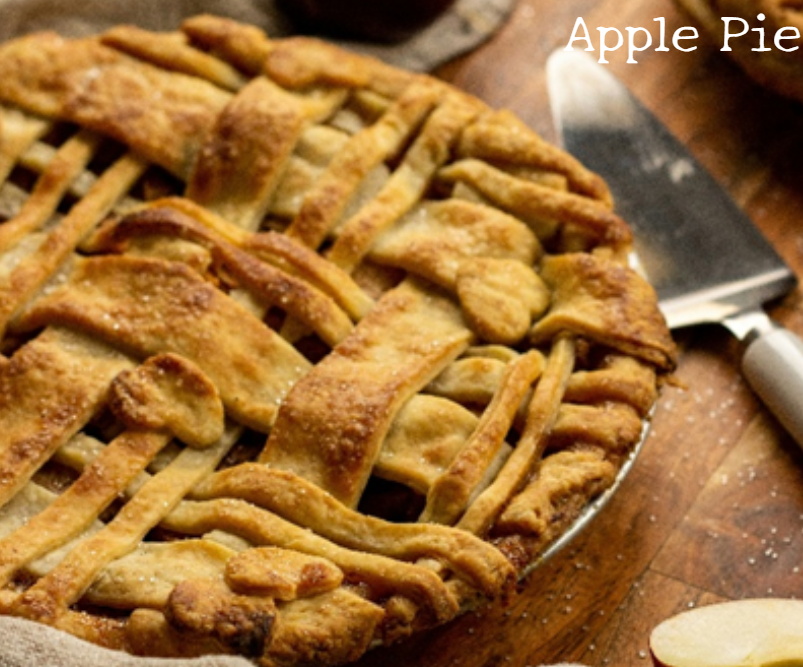
Apple cider donuts, cinnamon donuts, and apple pie desserts in fall!
Paczki, a polish jelly-filled donut enjoyed on Fat Tuesday.
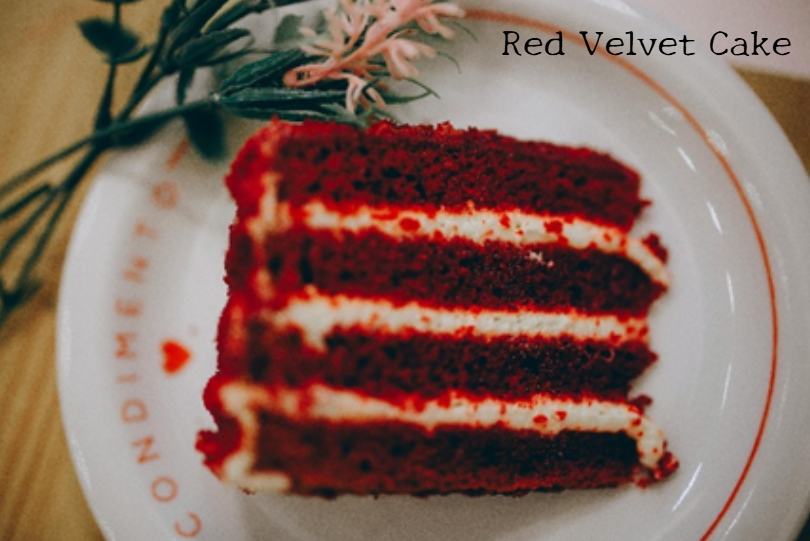
Chocolates & Red Velvet, popular for Valentine’s Day.
In addition to the season, there are regional desserts like sweet potato pie in the south, and key lime pie in Florida.
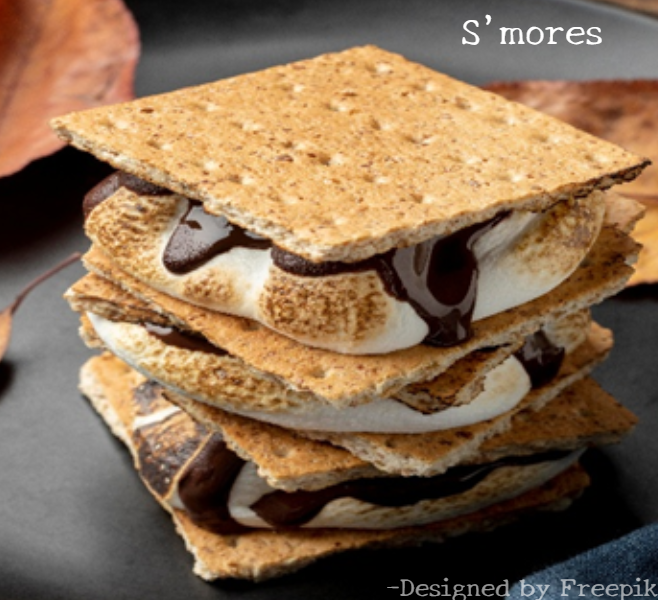
My favorite ritual is making s’mores (toasted marshmallows with milk chocolate sandwiched between graham crackers) and drinking peppermint hot chocolate topped with marshmallows before the fireplace. It is a campfire treat that is best to enjoy on summer nights. We also have National S’mores Day on August 10th. Last but not least, you know it’s Christmas when they start selling peppermint hot chocolate at Starbucks, but what is hot chocolate without marshmallows?
Indian sweets are a total contrast to western sweets. The main contrast is that while western sweets are mostly baked, Indian sweets are mainly made on stove tops. While western sweets use milk products, Indian sweets use milk itself in many forms flavored with popular Indian spices. When western sweets use butter and sugar for baking, Indian sweets use ghee (clarified butter) and sugar syrup. Indian sweets are unique in preparation and presentation and for anyone who is new to Indian sweets, the contents maybe hard to describe. You witness art in its presentation. Indian sweets are usually made of milk, gram/chickpea flour, semolina, rice flour, and coconut sweetened with white sugar or jaggery in the less commercial ones and are flavored with cardamom, saffron and rose water. There are many varieties of these oily, dairy-rich sweets made during different religious festivals, and celebratory events. To list a few popular ones:
Gulab Jamun: Deep fried balls of milk powder dough, soaked in sugar syrup, scented with rose water and flavored with cardamom.
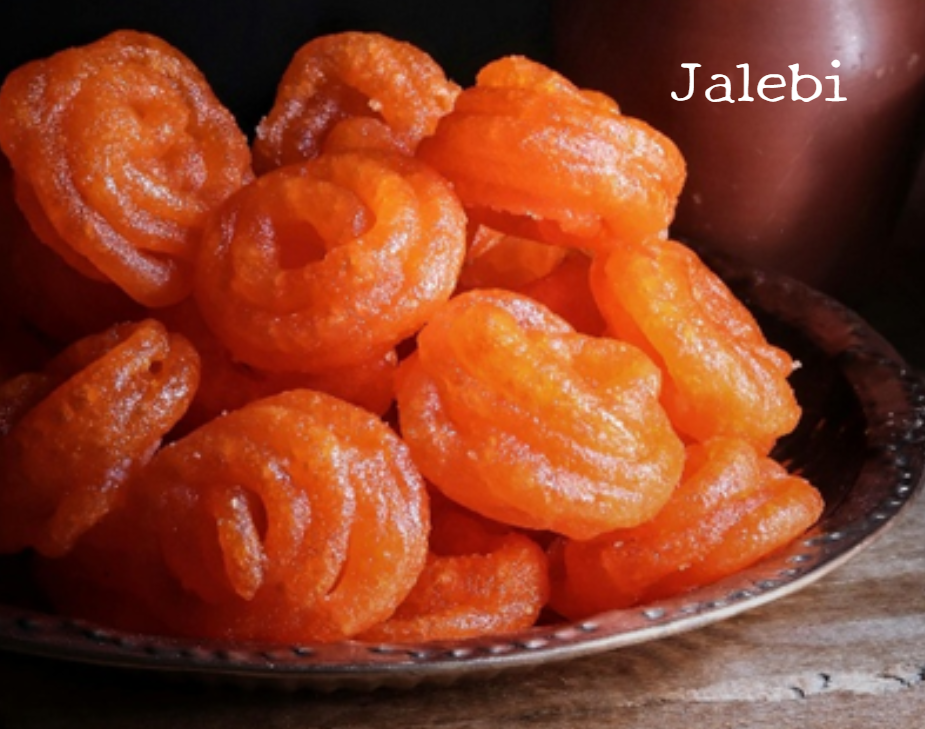
Jalebi: Crispy, juicy, deep-fried spirals made from a fermented and colored yellow or red batter of all-purpose flour, gram flour, ghee, and baking soda and soaked in sugar syrup flavored with saffron.
Kheer: Creamy pudding made from rice, milk, and sugar, flavored with cardamom and saffron, and topped with almonds and pistachios.
Halwa: Flour toasted in ghee and mixed with sugar syrup to create a chewy, translucent, glossy texture, flavored with nuts, spices etc. It comes in many varieties.
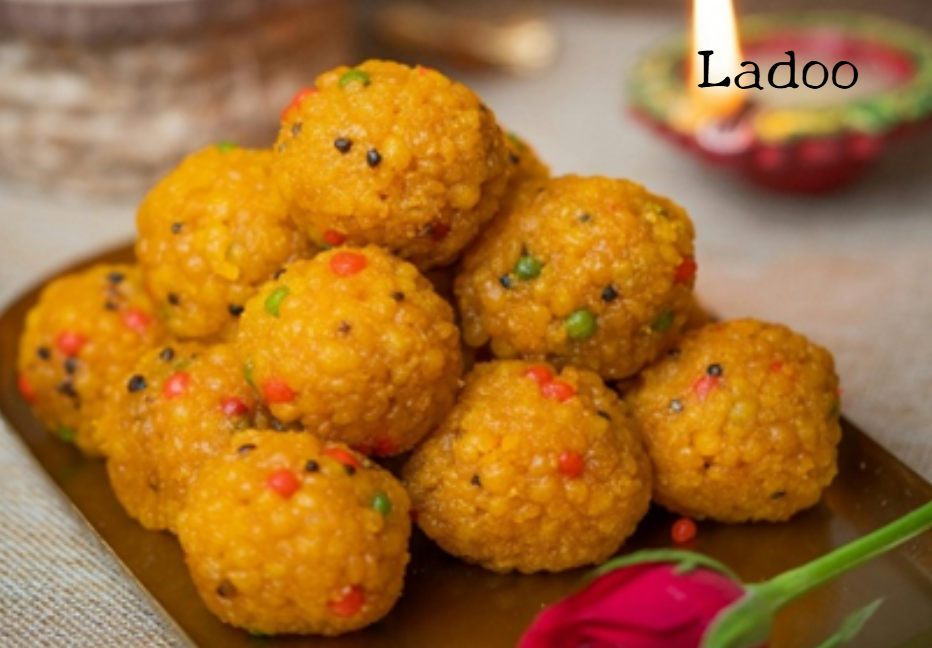
Ladoo: Refers to its ball shape and is made from deep fried chickpea flour batter dropped in small drops into hot oil which is then soaked in sugar syrup and shaped into small balls.
Rasmalai: Cottage cheese dumplings made by boiling whole milk and treated with lemon juice which is then soaked in sweetened milk flavored with cardamom and topped with almonds.
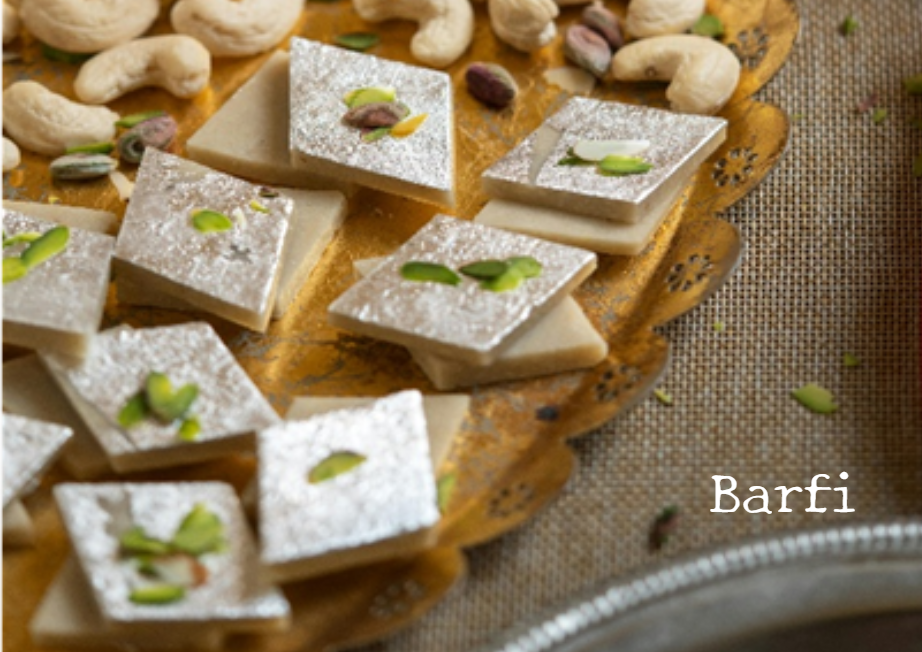
Barfi/ Peda: Milk fudge made from condensed milk and sugar in ghee and topped with pistachios/almonds. Barfi has an edible silver leaf base.
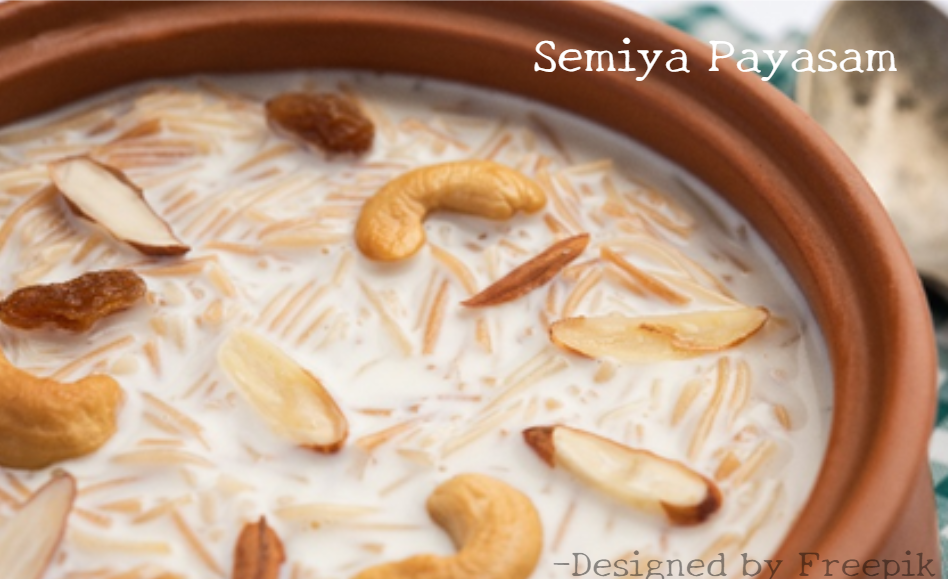
Soan Papadi, mysore pak, payasam, etc. are also popular. I could rant on and on about the different textures, colors and shapes even more but let’s save it for another time. For birthdays we enjoy payasam, a milk or coconut milk and jaggery-based lentil/ wheat/vermicelli pudding which has different varieties. Enjoying payasam is a birthday ritual all over India in addition to the cutting of the birthday cake. My favorite is semiya-payasam which is vermicelli noodles simmered in milk with cardamom, cashews and raisins. Many people enjoy it hot, but I like it refrigerated. Christians in south India make ‘Kozhikatta’ on Kozhikatta Saturday which is a lenten observation, an idea similar to the making of Paczki made in the west in relation to Fat Tuesday. Kozhikatta is steamed rice dumpling with coconut, and jaggery fillings and is a bit similar to the Japanese confection, ‘dango’ of Japan.
Now that I have shared basic concepts about how I understood western and Indian confectionery, I would like to explain my thoughts on wagashi. First of all, I think of them to be the total opposite to western sweets, but the presentation is a bit similar to Indian sweets. Wagashi is a piece of art representing nature itself. It is simple and elegant. The colors, not too flashy like Indian sweets and easy on the eyes.
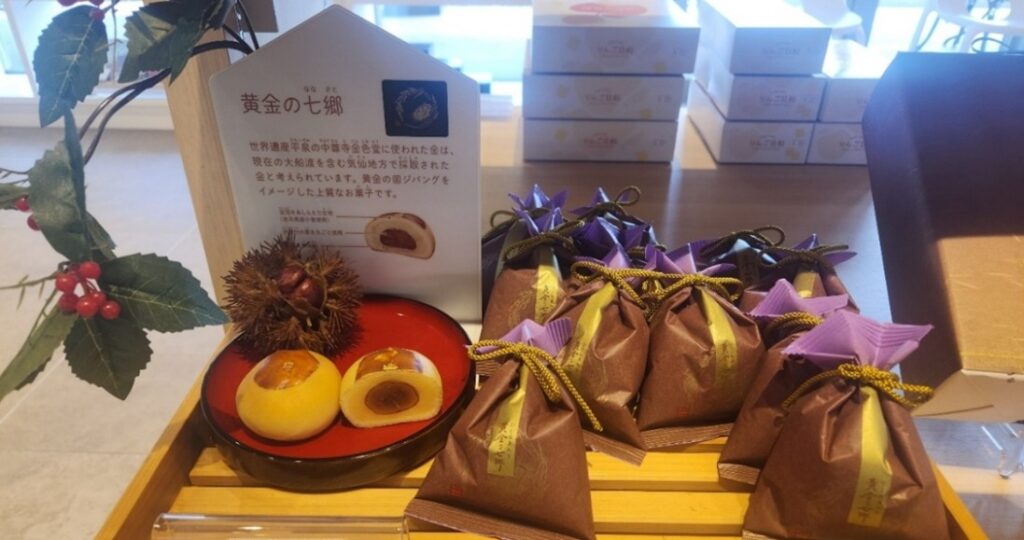
Living in Japan I have come to realize how wagashi is closely tied to the history, climate, and culture of nearly every town and city in Japan. Local ingredients are used to create a wagashi unique to that town and city. The main ingredients being plant-based with minimal sugar and no dairy. Mochi (glutinous rice paste), anko (red beans), kinako (powdered roasted soybeans), matcha, chestnuts, sweet potatoes, and various fruits are some of the common, well-known ones.
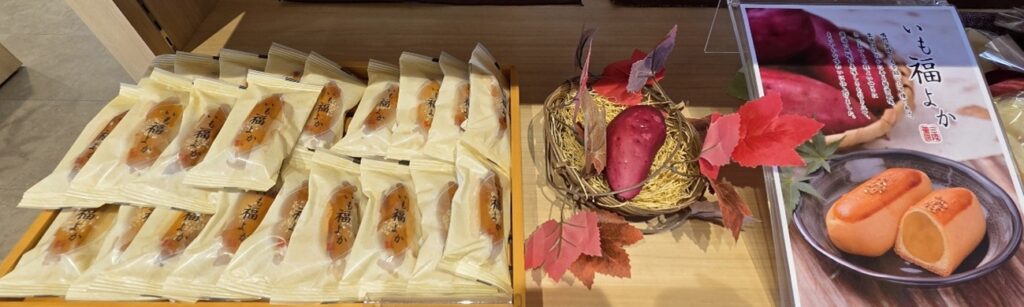
The same sweets sold in two different cities might taste different due to the difference in climate, soil or techniques. In addition to using local ingredients, the wagashi sold changes depending on the season.
Botamochi is a sweet served during spring when peonies are in bloom, and ohagi is a similar sweet served when hagis’ (bush clovers) are in bloom during the fall. The main difference is that botamochi uses koshi-an (smooth anko without skin) and ohagi uses tsubu-an (grainy anko with skin).
One of my favorite things about going to wagashi stores is the display and presentation of the wagashi. Forget if it tastes good! Buy the sweets for their pretty boxes, pretty packaging and beautiful display. Why look outside at nature when you can see nature inside a wagashi. If you buy wagashi, even better! You taste the nature!
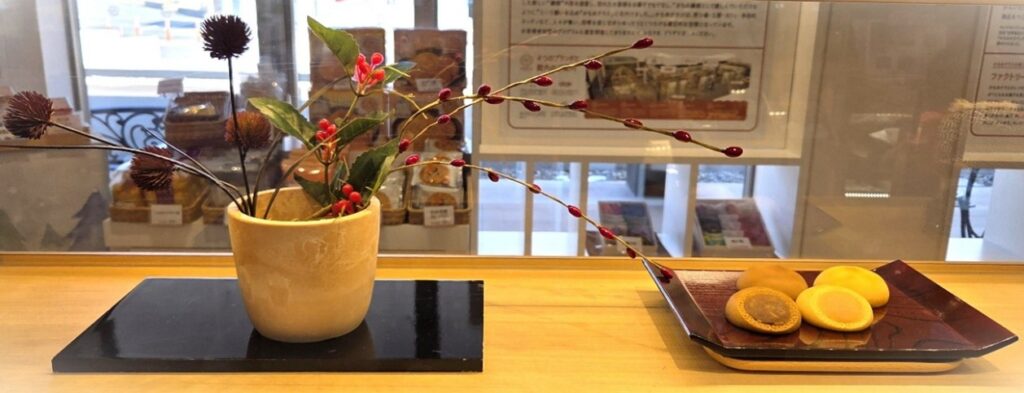
Speaking about Wagashi shops, I would like to introduce some of the popular wagashi stores of Ofunato City in Iwate Prefecture!
Kasho Takase
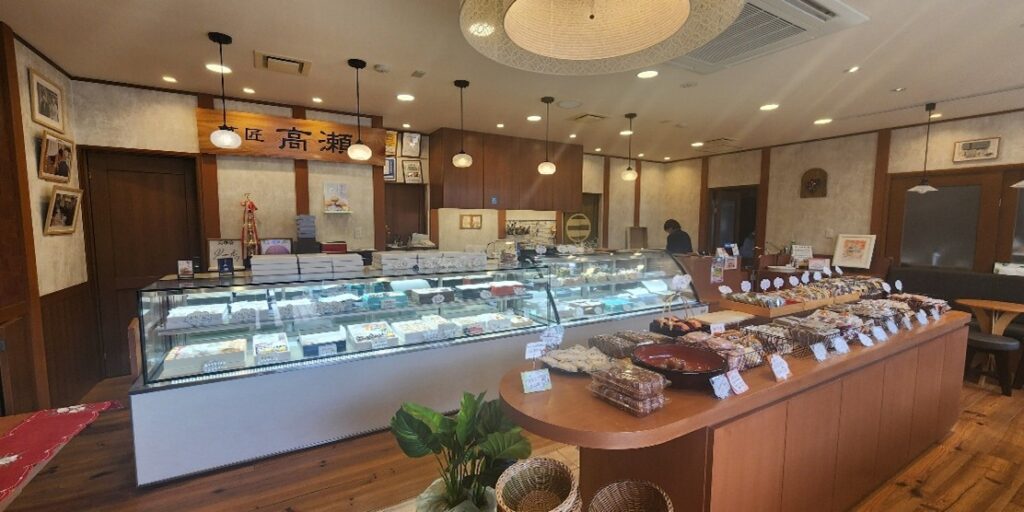
This cute shop located in the Kyassen Shopping district is famous for their ohitotsu and ama-hotate (sweet scallop). Ohitsotsu is a manjuu with a soft covering of brown sugar filled with anko inside. Perfect to eat with tea and coffee. Ohitotsu means one, as in one bite or in one breath. You savor that one bite… but then it’s gone and you still have a lot of tea or coffee left. So, you take another bite, and another, and another, and another. You keep on taking A BITE until you’re out of tea.
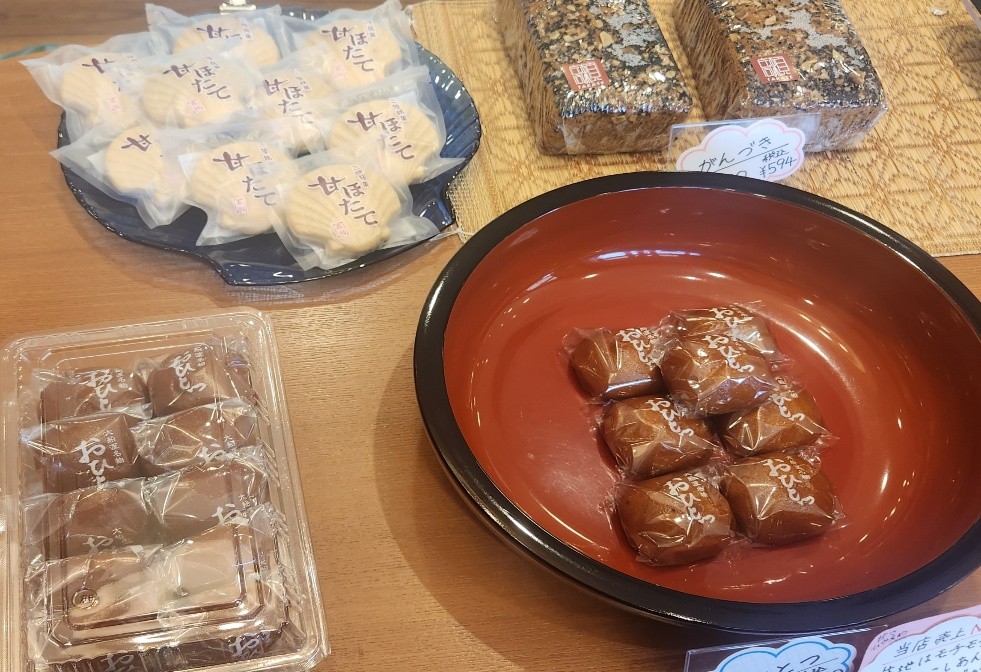
Ama-hotate (Top left) & O-hitotsu (Bottom right)
The wagashi, ama-hotate has an outer shell made of monaka (crisp wafer) and is designed to look like a scallop. The inside is filled with smooth anko and soft, sticky mochi!
I also recommend their uguisu, and sakura mochi made in preparation for the Hina festival in February. The sakura mochi especially looks like a gem and the uguisus’ green kinako powder reminds me of the upcoming spring season.
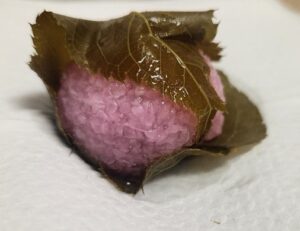
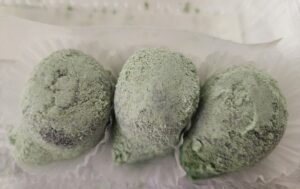
Sakura mochi & Uguisu mochi
Ohuraya
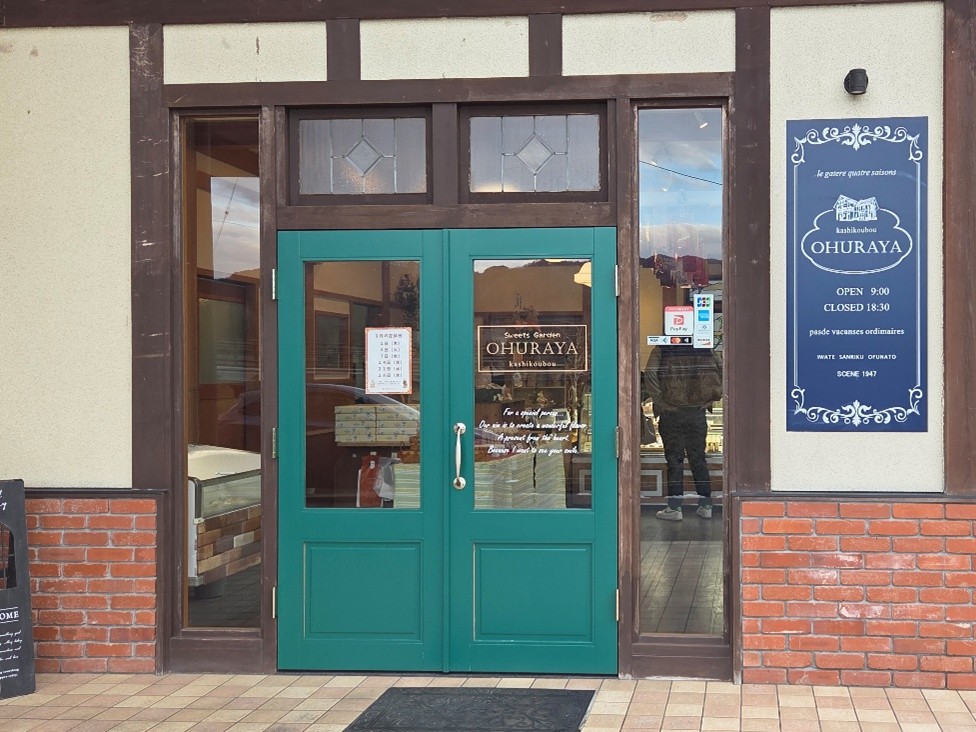
A cute confectionery shop known for their sake cake. Yup. It’s cake and sake! A blend of the east in the west. A western cake (likely castella) that seems to be soaked in Japanese wine. The moment you open up the ivory wrapping around the cake, a waft of Japanese sake forces itself into your nostrils and that is a moment you’ll never forget. The cake is soft, but it doesn’t break off easily. It’s a moist or maybe juicy mouthful! They are also known for their western confectioneries and their almond rock candy. It’s crisp, crunchy and delicious!
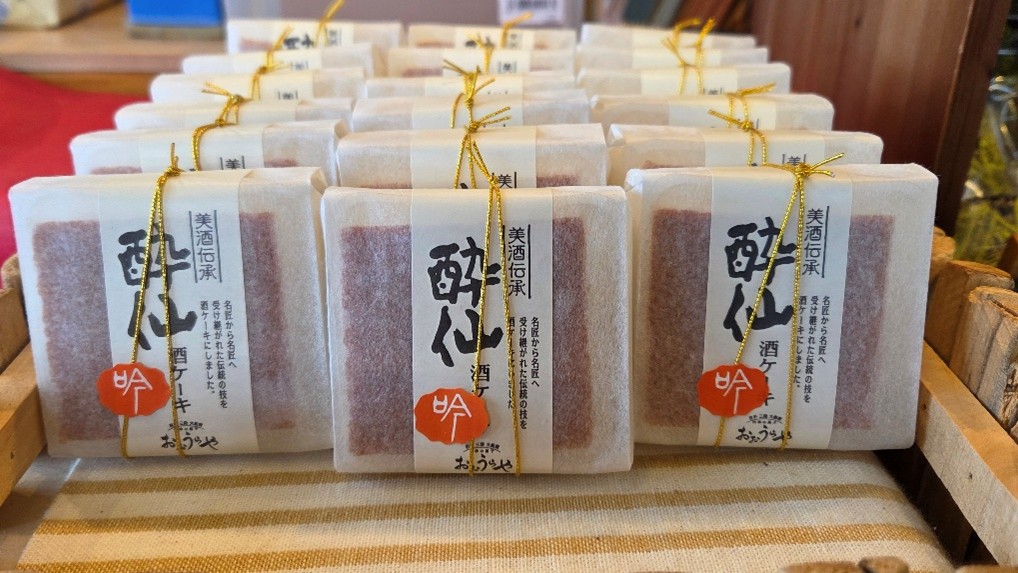
Sake Cake
Tsuboya Takou is an appealing store alongside the road with a pleasant atmosphere.
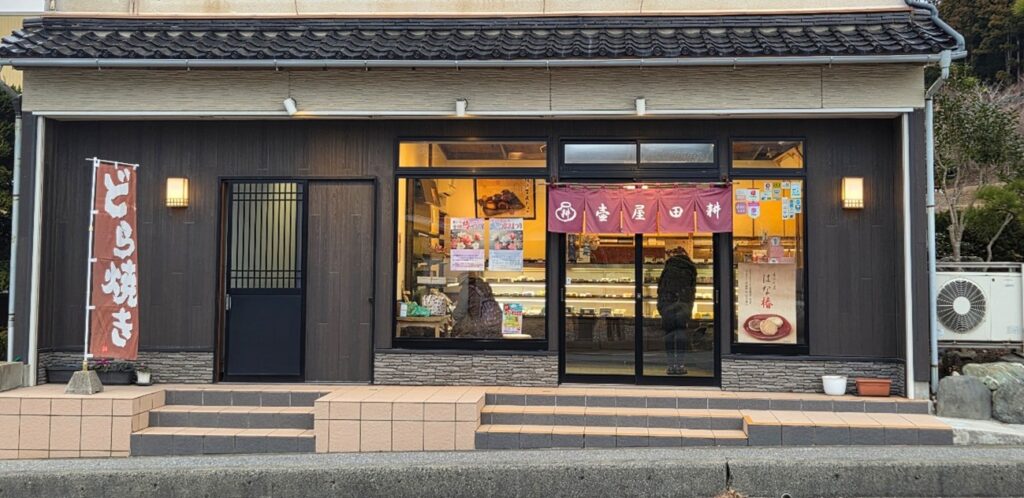
You are welcomed by tons of wagashi such as yubeshi and agemanjuu, along with Ofunato’s famous ‘Hana Tsubaki Cookies’! The cookies are named after the renowned flower of Ofunato, the tsubaki (Camellia). It has two flavors, chocolate and almond. My favorite being chocolate! I especially recommend trying the black sesame and walnut yubeshi. The smooth chewy texture of the glutinous rice flour paired with walnuts or black sesame is a must try! The agemanjuu is a deep-fried bean paste filled bun that is crispy on the outside and soft on the inside. The outer cover tastes very similar to the Indian snack ‘Unniappam’.
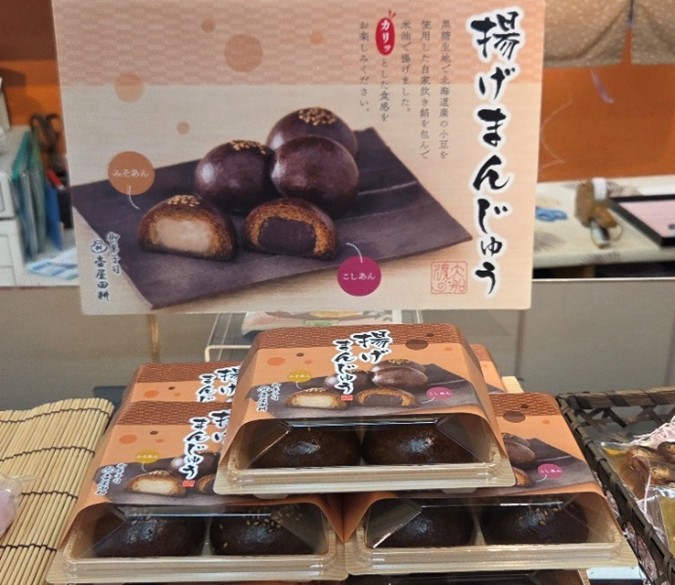
Age-manjuu
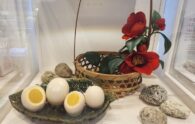
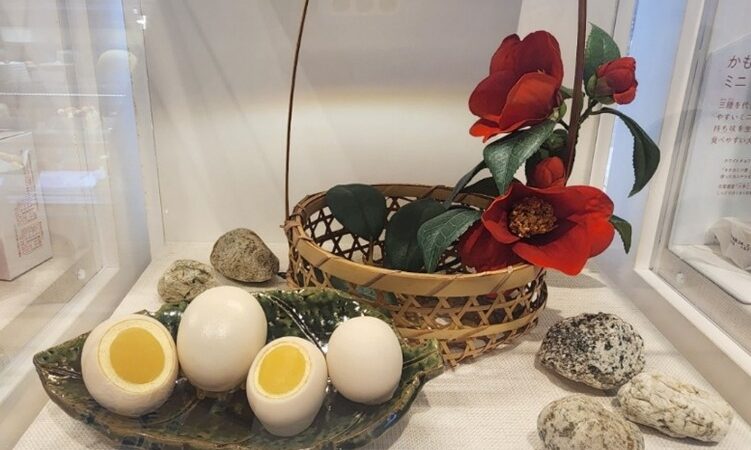
Last but not least, Kamome Terrace is a beautiful aesthetic shop where they sell the renowned specialty of Ofunato, the ‘Kamome no Tamago’ (Seagull’s egg) made by the company ‘Saitou Seika’.
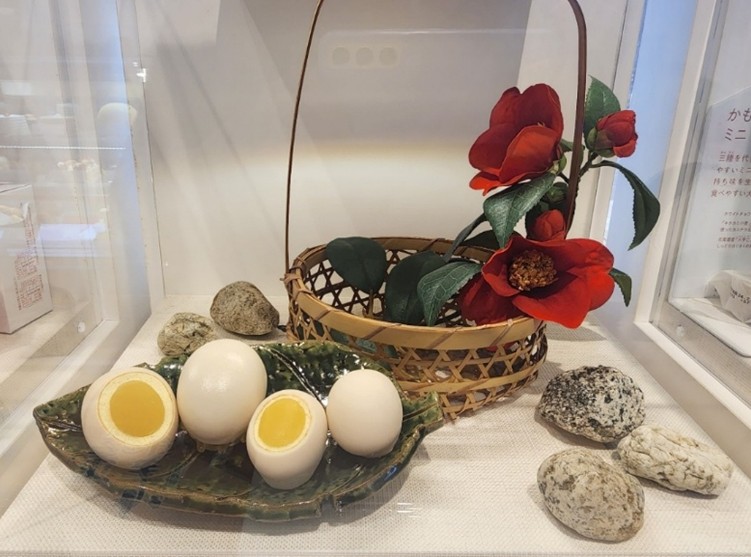
Kamome no Tamago
Besides kamome no tamago they also sell varieties of baked bread, and western confectioneries. However, the main star is the ‘wayougashi’ (Western/eastern confectionery), ‘Kamome no Tamago’. This simple yet beautiful ‘wayougashi’ is shaped like an egg with the outer covering made of castella dough and white chocolate. The inside is filled with yellow bean paste. Depending on the season, they release different flavors of the kamome no tamago. To name a few, there is orange, blueberry, black tea, apple, chestnut, tiramisu, sweet potato, golden kamome and chocolate. My favorites so far are apple, chestnut and orange flavors. Additionally, during the winter, they also sell strawberry daifuku. With a big’ol strawberry on the inside.
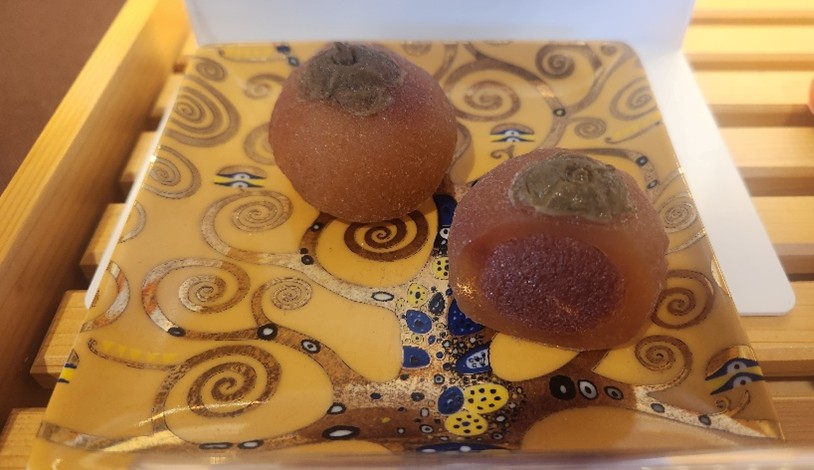
Korogaki – a wagashi made of persimmons and crafted into one.
Among their regular items is grilled mitarashi dango! This gem seriously just melts on your tongue and is especially rewarding to eat during the cold season.
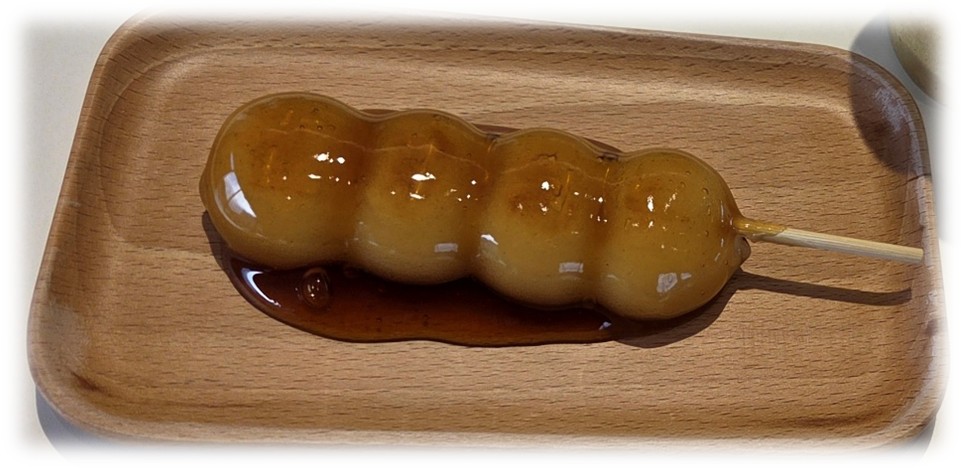
Grilled Mitarashi Dango
I ate two skewers with four on each in one go. It was heaven! Piping hot grilled mitarashi is the best! There is also a beautiful space in the shop to sit and enjoy the snacks you bought, and you can take your time enjoying the free tea while looking out the windows.
I know that by now your stomach must be craving sweets. As fellow sweets tooths, I welcome you to come to Ofunato from wherever you are on the globe and charge into my favorite stores and enjoy the mouth watering experience of wagashi while sipping a cup of tea! I look forward to discovering and trying out more sweets and will be on the lookout for more varieties!
Also, check out the many stores I visited in Ofunato on our instagram account @https://www.instagram.com/experience.ofunato/
Japanese
スイーツ巡り― 西洋・インド・日本 ―スイーツは多くの人にとって心を癒してくれる甘い存在です。一日に一度か二度食べるだけでは足りないくらいです。スイーツは誘惑そのもののため、私にはいろんな喫茶店やお菓子屋さんを巡る使命があります。特に和菓子は私の大好物で、神様に導かれこの芸術品に出会い、私の味覚を幸せで満たしてくれて最高にうれしいです。もう感謝しきれないのです。
私はアメリカで生まれ、インドで育ち、そして一年半程日本に住んでいるため、様々な文化のお菓子を味わうことができました。異文化のスイーツには独自の違いがあったので、その経験をこれより自慢して伝えまくりたいと思います。端的にいうと、和菓子は甘党の私の舌に祝福をもたらしてくれる存在です。どれだけ口にしても欧米やインドの濃厚で重たいお菓子に比べると、和菓子はずいぶん軽く感じます。さらに、日本の岩手県の大船渡市の有名なお菓子屋さんを紹介したいと思います。
アジアのお菓子と異なり、洋菓子は世界中で非常に多くの種類が作られており、私はそれらをまだ食べ尽くしていません。各国がそれぞれの洋菓子に独自のバリエーションを加えています。例えば、アメリカで焼くキャロットケーキは人参の量が少なく、クリームチーズの量が多いです。一方で、インドのキャロットケーキは人参の量が多く、より健康的です。プラムケーキもインドのクリスマススペシャルで、果物もナッツもたくさん加えます。アジアのお菓子を真似する文化はめったに見かけません。個人的には、洋菓子の方が比較的和菓子より濃厚で力強い味であると思います。乳製品をたっぷり使った焼き菓子が中心で、砂糖を豊富に使っていて、罪悪感を感じるほどおいしいです。もちろん、砂糖を控えたオーガニックの洋菓子もありますが、乳製品や砂糖のないお菓子は、果たして本当にスイーツと言えるのでしょうか?
特に洋菓子の魅力は、フルーツ、ナッツ、ココア、バニラ、キャラメルなど様々な素材を抱合することで生まれる味や食感のバランスにあると思います。中でも私のお気に入りはチョコレートです。唯一の問題といえば、洋菓子そのものが罪悪感をイメージさせることです。抗えないほど濃厚でリッチで、想像を超える味わいです。そのため、洋菓子をたまにしか口にしません。
アメリカでは季節の移り変わりとともに季節限定や祝日の特製スイーツを味わうことができました。例えば、次のようなものがあります。
• 秋の感謝祭には、パンプキンパイやピーカンパイ
• クリスマス時期のペパーミントバーク(はっか糖)やジンジャーブレッドクッキー
• 夏になると、フルーツパイやコブラー(蛇のことではない)。
特にアメリカ独立記念日の7月4日には、アップルパイ、ピーチコブラー、ブルーベリーパイ、チェリーパイなどを楽しめます。
• 秋には、アップルサイダードーナツやシナモンドーナツ、そしてアップルパイなど、りんごを使ったデザートを楽しめます。
• 「ファット・チューズデー」には、パツキと呼ばれるポーランドのジャム入りドーナツを味わう習慣もあります。
• バレンタインデーにはチョコレートやレッドベルベットのケーキが人気です。
季節の違いだけでなく、地域ごとにも作る特色あるデザートがあります。例えば、アメリカ南部ではスイートポテトパイ、フロリダではキーライムパイが有名です。
私の一番好きな儀式は暖炉の前でスモア(焼いたマシュマロとミルクチョコレートをグラハムクラッカーの間に挟んだお菓子)を作り、マシュマロをのせたペパーミント・ホットココアを一滴も残らず飲み干すことです。スモアは英語では「S‘More 」で “Some More”もっと欲しいという意味です。スモアはキャンプファイヤーの定番のおやつで、夏の夜に楽しむのが一番です。8月10日は「ナショナル・スモア・デー」として祝われています。そして最後に、スターバックスでペパーミント・ホットチョコレートが販売され始めると、「クリスマスだー!!」と実感します。でもね、個人的には、マシュマロの入っていないホットチョコレートなんて、本物のHOTチョコレートと言い切れるのかな?物足りないとは思わない?
インドのお菓子は、洋菓子とはまったく対照的です。最大の違いは、主な洋菓子の多くがオーブンで焼いて作られるのに対し、インドのお菓子は主にコンロの上で調理される点にあります。また、洋菓子は乳製品を使うのに対して、インドのお菓子は牛乳そのものを様々な形で使い、インド特性のスパイスで風味付けされます。さらに、洋菓子は焼きあげるためにバターや砂糖を使うのに対して、インドのお菓子ではギー(精製バター)や砂糖シロップが使われます。インドのお菓子は、その製法や見た目においても非常に独特で、初めて目にする人にとっては、その材料や作り方を言葉で説明するのが難しいかもしれません。そこには、まるで芸術作品のような美しさがあります。一般的に、インドのお菓子は牛乳、ベサン粉・豆粉(ひよこ豆の粉)、セモリナ粉、米粉、ココナッツなどを主な材料とし、白砂糖や、より伝統的なものではジャガリー(インドの伝統的な黒砂糖)で甘みを加えます。そして、カルダモン、サフラン、ローズウォーターなどで香り付けされます。
このような油分と乳製品を豊富に使ったお菓子は、宗教的な祭りやお祝い事の際に数多く作られます。代表的なものをいくつか挙げると、次のようなものがあります。
グラブジャムン:ミルクパウダーで作った生地を丸めて揚げ、ローズウォーターで香り付けし、カルダモンで風味を加えた砂糖シロップに漬け込むお菓子です。
ジャレビ:小麦粉とベサン粉、ギー、ベーキングソーダを使った発酵生地を黄色や赤色に着色し、らせん状に揚げて、サフランで香り付けした砂糖シロップに浸した、外はパリッと中はジューシーなお菓子です。
キール: 米と牛乳をじっくり煮込んで作るクリーミーなプディングに、カルダモンとサフランで味を付け、香りを加え、アーモンドとピスタチオを添えたお菓子です。
ハルワ: 小麦粉をギーで炒め、砂糖シロップと混ぜて作る、半透明でつやのあるもちっとした食感のお菓子です。ナッツやスパイスなどで風味を付け、さまざまな種類があります。
ラドゥ: その名前は丸い形に由来し、ひよこ豆の粉で作った生地を小さな粒状にして油で揚げ、砂糖シロップに浸してから小さなボール状にまとめて作るお菓子です。
ラスマライ: 牛乳を沸騰させてレモン汁を加えて作ったカッテージチーズを団子状にし、カルダモンで味付けした甘いミルクに漬け込み、アーモンドをトッピングしたお菓子です。
バルフィ/ペダ: コンデンスミルクと砂糖をギーで加熱して作るミルクベースのファッジのようなお菓子で、ピスタチオやアーモンドをトッピングします。バルフィには、食用の銀箔が飾られているのが特徴です。
ソーンパパディやマイソールパク、パヤサムなども人気のあるお菓子・デザートです。食感や色、形の違いについては私の知識を吹きまくりたいのですが...それはまた別の機会にしましょう。
誕生日には、「パヤサム」と呼ばれるデザートを楽しみます。これは牛乳またはココナッツミルクとジャガリーをベースに、豆や小麦、またはヴェルミチェッリ(細い麺)などを使って作るプディングで、さまざまな種類があります。誕生日ケーキを切るのと同じように、パヤサムを食べることはインド全土で親しまれている誕生日の習慣です。
私のお気に入りは「セミヤ・パヤサム」で、ヴェルミチェッリを牛乳で煮込み、カルダモン、カシューナッツ、レーズンを加えて作ります。温かいまま食べる人もいますが、私は冷蔵庫で冷やして食べるのが好きです。
また、南インドのキリスト教徒は四旬節の習慣のひとつとして「コジカッタ・サタデー」に「コジカッタ」を作ります。これは、西洋でファット・チューズデーに関連して作られるパツキに似た考え方の伝統です。コジカッタは、ココナッツとジャガリーを詰めた蒸し餅のようなお菓子で、日本の和菓子である 団子 に少し似ています。
ここまでは洋菓子とインド菓子についての私なりの基本的な考えをお話ししましたので、次に和菓子についての想いをお伝えしたいと思います。
まず第一に、和菓子は洋菓子とは正反対の存在だと感じています。しかし、その見た目の美しさはインド菓子と少し似ている部分もあります。和菓子は、まさに自然そのものを表現した芸術作品です。シンプルでありながら上品で、洗練された美しさを持っています。
その色合いは、インド菓子のように鮮やかすぎることはなく、目にやさしく、落ち着いた印象を与えてくれます。
日本で暮らす中で、和菓子が日本各地の歴史や気候、そして文化と深くつながっていることに気づきました。ほぼすべての町や地域には、その土地ならではの和菓子があり、地元の食材を使って作られています。
和菓子の主な材料は植物由来のものが中心で、砂糖は控えめに使われ、乳製品はほとんど使用されません。
一般によく使われている材料としては、もち、あんこ、きなこ、抹茶、栗、さつまいも、そしてさまざまな果物などが挙げられます。
同じ名前の和菓子でも、町が違えば、気候や土壌、そして作り手の技術の違いによって、その味わいは微妙に変化します。さらに、季節の移ろいとともに販売される和菓子も変わります。
牡丹餅はボタンが咲いている春に食べられる和菓子で、おはぎは萩が咲いている秋に食べられる和菓子です。私の知る限り、牡丹餅はこし餡で、おはぎは粒あんで作られています。
和菓子屋を訪れると特に好きなのは、和菓子の陳列や見せ方です。普段はお菓子を買いに行っているでしょうが、私はお菓子だけではなく、箱!お菓子を入れるきれいな箱も買いに行っています!包装紙はエレガントだし、紙袋は素敵だし、箱もすっごくかわいいし、陳列もよくできています。ときどき思うのです…かわいいお菓子よりも、紙袋や包装紙の方が主役になっているような感じがします。
それに、わざわざ外に出て自然を眺めるよりも、和菓子の中の自然を見る方がよっぽどいいです!そしてレジのところで購入ボタンを押して和菓子を手に入れると、自然を「味わう」機会が得られます!!
和菓子屋の話になりましたので、大船渡市(岩手県)で人気のある和菓子店をいくつかご紹介したいと思います。
【菓匠高瀬】
大船渡市のキャッセン商店街にあるこの可愛らしいお店は、「おひとつ」と「甘ほたて」が有名です。「おひとつ」は、黒糖のやわらかい生地であんこを包んだまんじゅうで、お茶やコーヒーのお供にぴったりです。「おひとつ」という名前からはこう推測します。「おひとつ」という名前には、「一口で」「一息で」という意味があるのではないかと私が思います。その一口を存分に味わっているうちに……気づけばもうなくなっていて、まだお茶やコーヒーはたくさん残っています。なのでもう一口、さらにもう一口、またもう一口……。お茶がなくなるまで、またまた「おひとつ」をどうぞという気持ちです。
甘ほたて(左上)、おひとつ(右下)
和菓子の「甘ほたて」は、最中の皮で作られ、外側がホタテの形に美しく仕上げられています。中には、なめらかで柔らかなあんこともっちもちとしたお餅が入っています!
また、3月のひな祭りに向けて作られる「うぐいす餅」と「桜餅」もおすすめです。特に桜餅は宝石のようで、うぐいす餅にまぶされた緑色のきな粉は、これから訪れる春の季節を感じさせてくれます。
【菓子工房 おおうらや】
このかわいいお菓子工房は酔仙酒ケーキで知られています。そう!日本酒とケーキ、日本と西洋の融合です‼西洋のケーキ(おそらくカステラ)に、日本酒がふくまれているようです。ケーキを包むアイボリー色の包装を開けた瞬間、日本酒の芳醇な香りがグワッと鼻の中に漂い、忘れられない印象を残します。ケーキは柔らかいのに、簡単には崩れず、しっとりとしていてジューシーとも言えるような口当たりです。また、洋菓子や「アーモンドロック」も人気です。カリッとした歯ごたえで、パリッパリとしたちょう―うまい一品です。
【壺屋田耕】
ここは道路そばに佇む魅力的で心地よい雰囲気のある店です。
店内に入ると、ゆべしや揚げまんじゅうをはじめ、大船渡市の銘菓「はな椿」など、たくさんのお菓子が迎えてくれます。この「はな椿」は、大船渡市の象徴的な花である椿にちなんで名付けられたものです。味はココアとアーモンドの2種類があり、私のお気に入りはココアです。特におすすめしたいのは、黒ごまとくるみのゆべしです。もち粉で作られたなめらかでもちもちとした食感に、くるみや黒ごまの香ばしさが加わり、ぜひ一度は味わっていただきたい一品です!揚げまんじゅうもまた魅力的で、外側はカリッとしていて中はやわらかいあんこが詰まっています。その外側の生地は、インドのスナック「ウニアッパム」によく似た風味を味わえます。
最後にご紹介するのは、【かもめテラス】です。美しく洗練された雰囲気が魅力のお店で、大船渡の有名な銘菓「かもめの玉子」を購入することができます。この「かもめの玉子」は、さいとう製菓が製造している大船渡を代表する名物菓子です。
かもめの玉子のほかにも、焼きたてのパンやさまざまな洋菓子が販売されています。しかーし!主役はやっぱり和と洋が融合した和洋菓子「かもめの玉子」です。このシンプルでありながら美しい和洋菓子は、その名の通り卵の形をしており、やさしい甘さの黄身餡がカステラ生地で包まれ、さらにホワイトチョコレートでコーテイングされています。中には、やさしい甘さの黄身あんが詰まっています。季節ごとにかもめの玉子限定フレーバーが販売されるのも魅力のひとつです。例えば、みかん、、いちご、ブルーベリー、紅茶、りんご、栗、ティラミス、さつまいもなどがあります。これまでに食べた中では、りんご、栗、そしてみかん味が特に好きです!また、冬の時期にはいちご大福も販売されています。中にはデッカイいちごが丸ごと入っています。甘酸っぱくて美味しいです!
定番商品の中で、私が特に好きなのは焼きみたらし団子でございます!つやつやで真珠のようなこの宝石です!かもめテラスのこの逸品は、口に入れた瞬間にとろけるような食感で、寒い季節には特に格別の美味しさを感じさせてくれます。
串一本に4つを刺さった団子を、気がつけば2本も一気に食べてしまいました。マジ天国。熱々に焼かれたみたらし団子は、最高です。また、かもめテラスの店内には、購入したお菓子をその場で楽しめる素敵なイートインスペースもあります。窓の外を眺めながら、無料のお茶とともに、ゆったりとした時間を過ごすことができます。
ここまで読んでくださった皆さんのお腹はきっと甘いもので満たされたくてしかたがないでしょう!甘党仲間として、世界のどこにいても、ぜひ大船渡市へ足を運び、私のお気に入りのお店を巡りながら、お茶とともに和菓子の魅力を存分に味わってみてください。ほっぺたが落ちそうな体験をしてください!
私自身も、これからさらに多くのお菓子を発見し、色々と味わっていくことを楽しみにしています。そして、新しい種類のお菓子との出会いを求めて、またお菓子巡りの旅を続けたいと思います!
また、今回紹介した大船渡市のインスタアカウントをぜひご覧ください。
@https://www.instagram.com/experience.ofunato/