Oshu, a city of about 100,000 people, recently reached the milestone of having a little over 1,000 non-Japanese residents. While this is a relatively small percentage, for a city that’s historically had very few foreigners at all, it marks a pivotal shift. The situation sparks some questions: how are non-Japanese residents adapting to life in Oshu? In turn, what is the city doing to help everyone, irrespective of national origin, live together harmoniously? The city has begun holding an annual workshop to address these issues.
What’s the Workshop About?
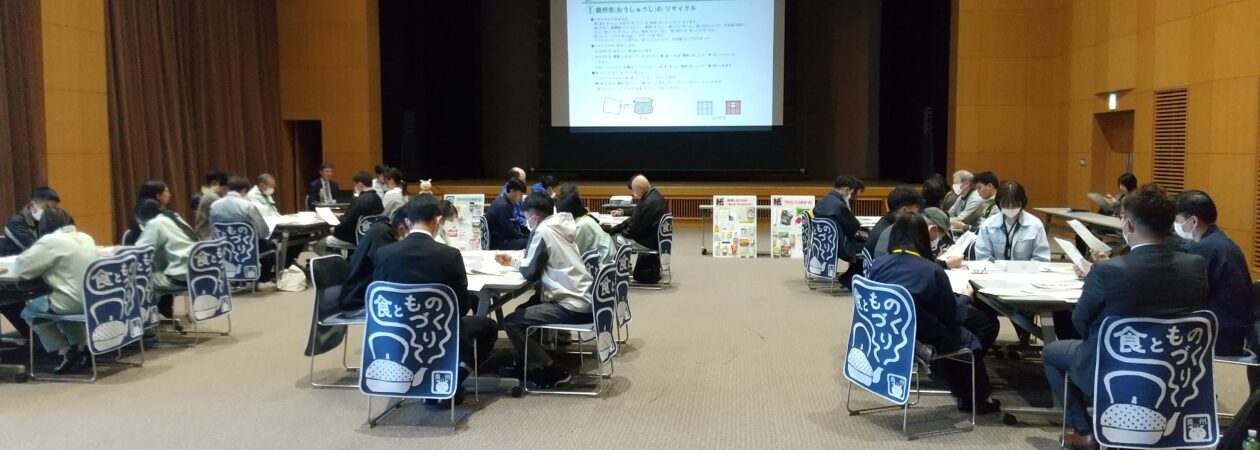
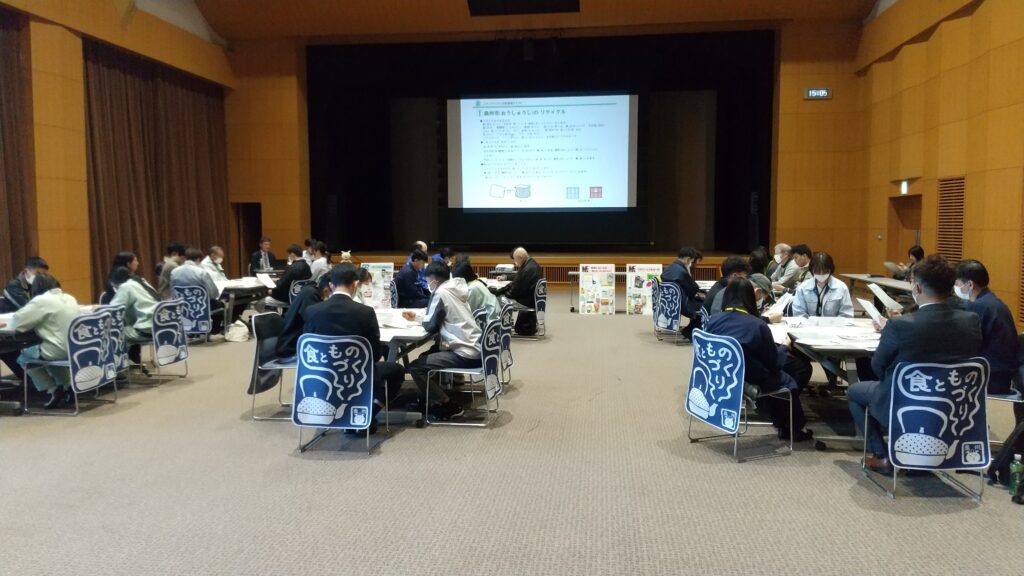
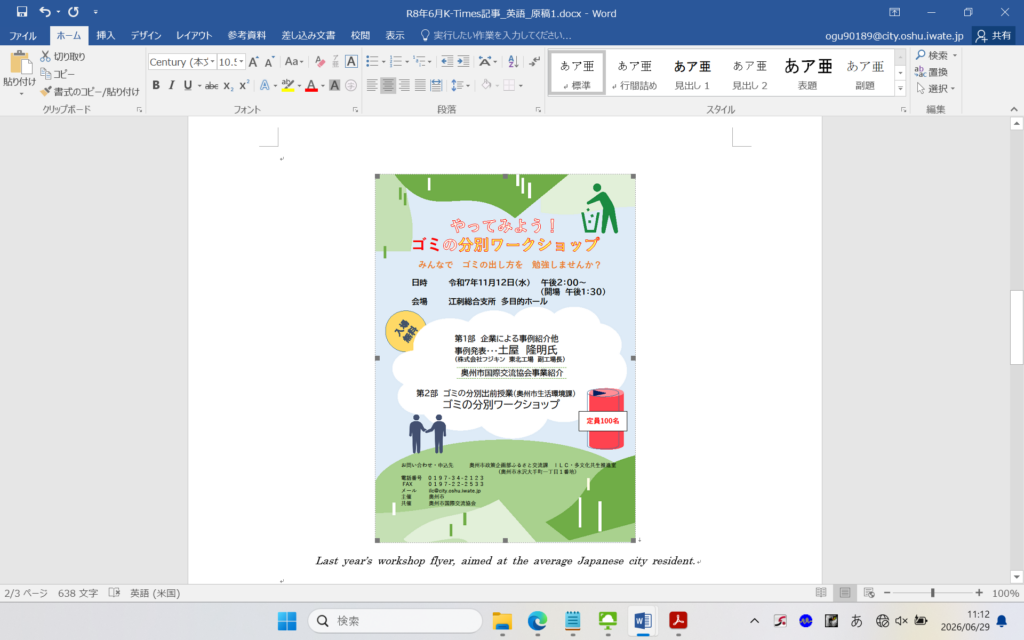
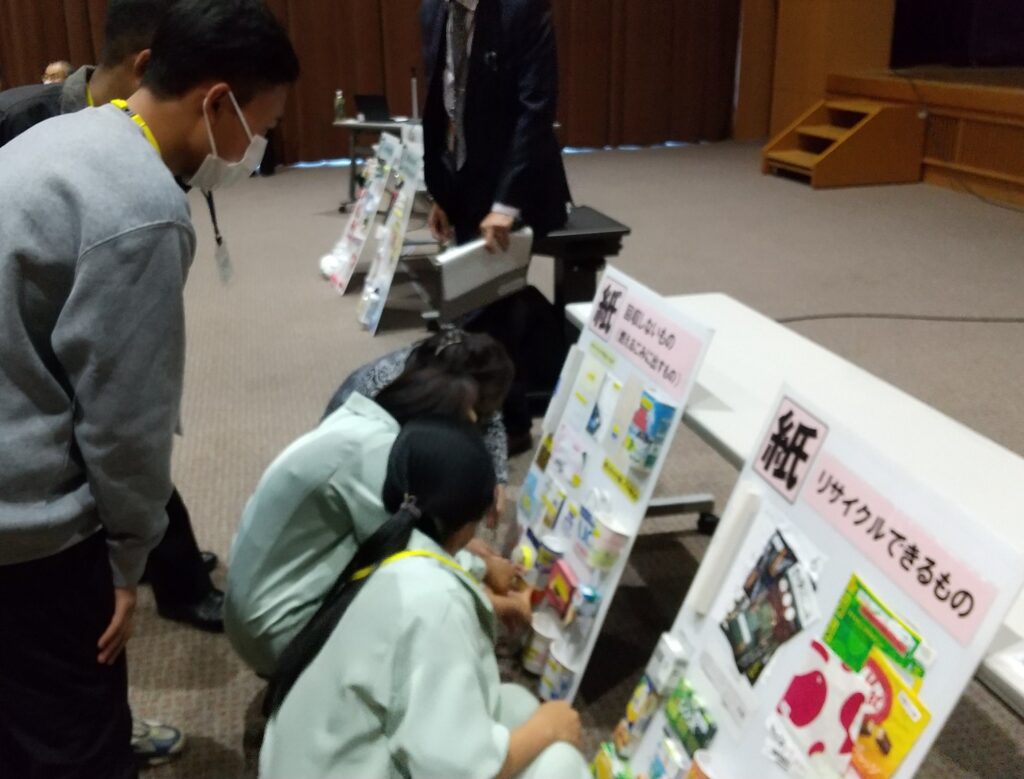
Over the years, the topics have varied. The first few years centered on “multicultural coexistence” as a concept, but recently, the focus has become more practical and local. For example, last year the topic was proper garbage and recycling management, as these rules can be confusing for Japanese and non-Japanese city residents alike. Information about where to get multilingual resources, where to contact in case of questions, Japanese language classes, and similar was also provided.
This year is all about traffic and bicycle rules, since some of the laws have changed, and non-Japanese residents often cycle to work or to carry out tasks in their daily lives. Regardless of topic though, the general goal has remained the same: to make the idea of multicultural coexistence a little clearer, and by doing so, to improve understanding across cultures.
Who Are the International Residents of Oshu?
This is a heterogeneous group, but according to population statistics, the majority come from the Philippines, Vietnam, and Indonesia. Many of them work in industrial facilities, as Oshu is the site of a major industrial park, which has companies that employ non-Japanese workers. Their technical abilities are put to use while they learn the Japanese language and adjust to life in Japan – in a way that’s perhaps a bit analogous to how workers and researchers could live if the proposed ILC was built here. Foreigners are also part of the fields of care work, food production, and similar: with labor shortages, non-Japanese workers help to make up the difference. To put it another way, a number of them are medium-term residents who are trying to contribute to Japanese society. The foreigners who attended the workshop last time – and who will participate in the upcoming workshop in July – are a part of this cohort.
Reflections, As a Foreigner Myself
By providing information about how exactly life in Oshu works, I think initiatives like this workshop can help to empower foreigners. Navigating a language barrier and cultural differences can be frustrating, and when we have the skills to answer our questions and solve our problems, we gain the ability to flourish in Japan.
Speaking from my own early days in Japan, and based on talking with my fellow foreigners, it’s my sense that most of us aren’t breaking the rules intentionally. Rather, in many cases, we’re just unaware of what’s allowed and what isn’t. I’m grateful for all the people who have kindly told me what’s expected, so I could move forward with the information I needed in order to live here safely and peacefully.
It’s heartening to know that there are systems in place to support foreign residents of Oshu. Were the ILC to come to this area, I feel that the city would be able to collect the resources necessary to support a community of non-Japanese workers and researchers. But regardless of what happens there, foreigners are increasingly become a part of the social fabric of Oshu, and I’m glad that with the provision of proper supports, it’s possible for all of us to coexist in harmony.
Japanese
●ワークショップを通じた多文化共生の構築最近、人口約10万人の奥州市は、外国人住民が約1,000人を超えるという節目を迎えました。この割合は比較的に低いものの、これまで外国人の数が非常に少なかった都市にとっては、大きな転換点となります。こうした中で、外国人住民は奥州市での生活にどのように適応しているのでしょうか。出身国を問わず、みんなが調和して暮らせるように、市はどんな取り組みを行っているのでしょうか。こうした課題について考えるため、市は毎年ワークショップを始めました。
●ワークショップのテーマについて
長年にわたり、テーマは変化しました。最初は「多文化共生」という概念が中心でしたが、近年ではより実践的かつ地域を踏まえた内容へと焦点が移っています。例えば、昨年のテーマは適切なごみとリサイクルの出し方・分け方でした。これは、日本人と外国人の市民のいずれについてもルールが分かりにくい場合があるためです。また、多言語資料の入手先や質問時の問い合わせ先、日本語教室などの情報も提供されました。
今年は交通ルールや自転車のルールがテーマです。法律の一部が改正されたことに加え、外国人の市民の多くが通勤や日常生活の用事のために自転車を利用しているからです。とはいえ、テーマが何であれ、多文化共生の概念を少しでも明確にし、それを通じて異文化間の相互理解を深めるといった目標は変わりません。
●奥州市の外国人の市民は誰か?
奥州市の外国人市民は、人口統計によると、その大半はフィリピン、ベトナム、インドネシア出身です。奥州市には大規模な工業団地があり、外国人労働者を雇用する企業が入居しているため、彼らの多くは工業施設で働いています。外国人労働者は日本語を学び、日本での生活に慣れながら、技術能力を活かしています。これは、もしILCがここに建設された場合、そこで働く労働者や研究者が送る生活と少し似ているかもしれません。介護や食品生産などの分野でも外国人が活躍して、人手不足の中で、外国人労働者がその穴を埋める一助となっています。言い換えれば、日本社会に貢献しようとしている中期滞在者が数多くいるということです。前回のワークショップに参加した外国人、および7月に開催されるワークショップにも参加する外国人はこの仲間の一員です。
●外国人としての所感
奥州市での生活が具体的にどのようなものかについての情報を提供することで、このワークショップのような取り組みは、外国人の自立を後押しできると思います。言語の壁や文化の違いに直面するのは苛立たしいことですが、疑問に答え、問題を解決するためのスキルを身につければ、日本で充実した生活を送る力が得られるのです。
私が日本に来たばかりの頃の経験や、他の外国人仲間との会話から、私たちのほとんどはわざとルールを破っているわけではないと感じます。むしろ、多くの場合、何が許されているか許されていないのか、単に分かりません。親切に教えてくれた方々のおかげで、私が必要な情報を得て、日本に安全安心で暮らせるようになりました。今も感謝を申し上げます。
奥州市に住む外国人住民を支援する体制が整っていることを知り、心強く思います。もしILCがこの地域に誘致されれば、この市は外国人労働者や研究者コミュニティを支援するために必要な環境や仕組みを整えられるだろうと感じています。しかし一方で、ILCの進捗にかかわらず、外国人はますます奥州市の地域社会を支える一員となっています。適切な支援が提供されれば、私たち全員が調和して共生していくことができることを嬉しく思います。